SERIES ONE

EPISODE 4
-
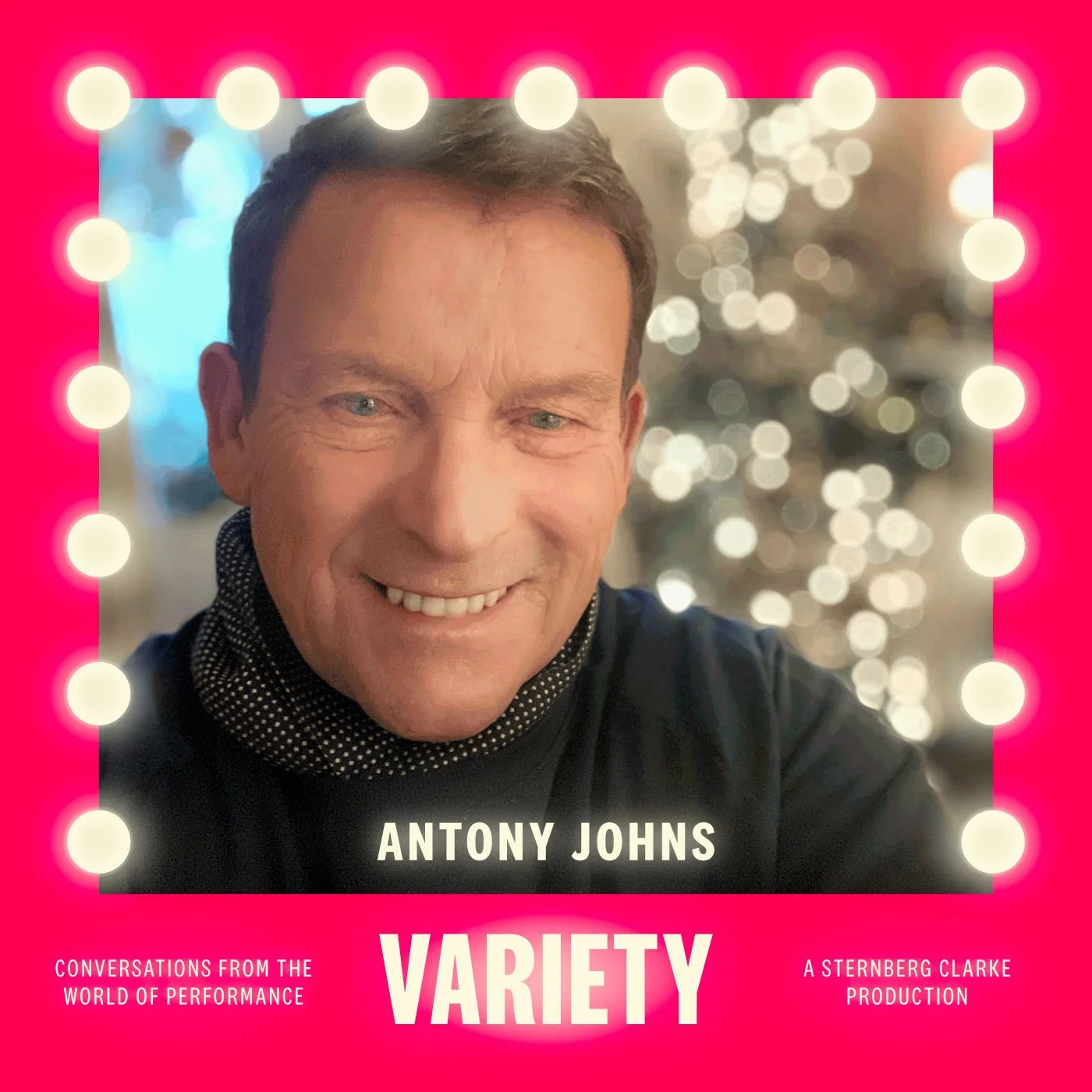
In this episode, Adam welcomes dancer, choreographer, and creative polymath Anthony Johns. From childhood tap shoes in Portsmouth to BBC studios, West End stages, Pinewood sets, and arena-scale royal spectaculars, Anthony’s life traces six decades of British variety at its most glittering and gritty. He shares priceless lessons from mentors, the power of ballet as the “maths and English” of dance, and the old-school craft of performing to the whole house - not the mirror.
EPISODE 7
-
In this episode, Adam welcomes Reverend Bazil Meade, founder of the London Community Gospel Choir, widely recognised as a pioneering force in British gospel music. Bazil traces his path from a childhood on the Caribbean island of Montserrat to becoming one of the most influential figures in UK choral music. He shares moving and sometimes dramatic stories about migration, racism, faith, early musical mentorship, the formation of LCGC in the early 1980s and its rapid rise to performing on global stages and collaborating with major artists including Paul McCartney, George Martin, Luther Vandross, Foreigner and Madonna. Basil also breaks down the sound, history and emotional heart of gospel, the distinction between spirituals and modern gospel music, and how improvisation, movement and community inform the choir’s world-renowned style. We hear candid reflections on creativity, the transition to handing leadership to his children, unforgettable stage moments and a live lesson in singing that leads Adam to his first gospel duet.

EPISODE 1
-
In this episode, Adam Sternberg sits down with Jolie Papillon, one of the UK's leading burlesque artists. Originally from Rimini, Italy, Jolie shares her journey from training at top theatre and dance schools in Europe to becoming a celebrated burlesque performer in the UK. Adam and Jolie delve into the variety of reactions from audiences, the misconceptions about burlesque, and the significance of embracing authenticity in performance.

EPISODE 5
-
COMING SOON
EPISODE 8
-
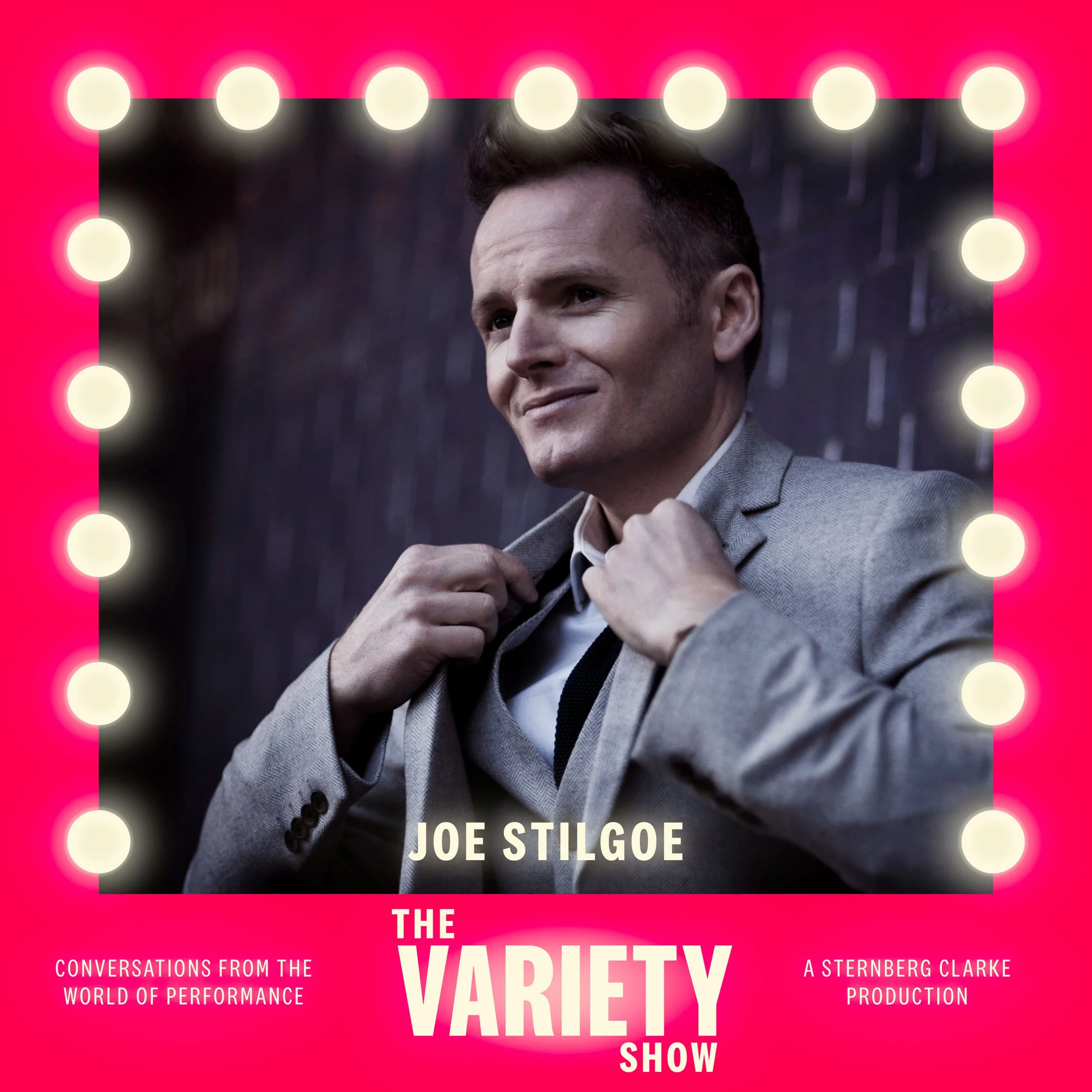
In this rich and entertaining conversation, Joe takes us through his musical upbringing—opera-singing mother, legendary father, and a Surrey childhood filled with sound—before charting his journey from university uncertainty to Disney cruise contracts, jazz education, and eventually the London scene. He dives into the craft of improvisation, the joys and dangers of live performance, his theatre work (including High Society at the Old Vic), and some unforgettable moments—like a royal gig where no one would shout out a song request. Joe also speaks passionately about the fragile state of UK jazz clubs and his campaign to support and protect them. Full of humour, stories, musical quirks, and heartfelt advocacy, this episode is a celebration of live performance and the vibrant, unpredictable world Joe Stilgoe inhabits.
EPISODE 2
-
In episode 2, Adam Sternberg welcomes Judge the Poet for a deep dive into the unusual art and business of improvised poetry. Judge opens by demonstrating his spontaneous poet skill, asking Adam for three random prompts, Christmas, entertainment, and pink, then instantly shaping them into a coherent rhyming poem.
From there, Judge shares how he has been making up poems since primary school, how he trained his craft like a musician or athlete, and how he built a career the hard way by knocking on doors, taking low-paid early gigs, and growing through word of mouth. They explore the two sides of performance, technical skill and stagecraft, plus the reality of resilience, instability, and why live entertainment matters, especially post-COVID.
The conversation also tackles poetry’s image problem in schools, why poetry should be felt like music rather than solved, and how rhyme and rhythm pull language into the heart. They also discuss AI, why it can imitate poems but cannot truly read the room. Judge closes by improvising a final poem that sums up the episode’s themes, poetry, variety, and AI.

EPISODE 5
-
In this episode of Variety, host Adam Sternberg welcomes musical comedy duo Bounder & Cad for a wide-ranging conversation following a bold opening performance skewering Vladimir Putin. The pair trace their origins from university choirboys and jazz crooners to becoming a fully-fledged satirical act, sharing stories of May Balls, their first original parody song about Prince Harry, and a last-minute, near-missed debut gig at 10 Downing Street.
They unpack their approach to satire—why they prefer timeless absurdity over partisan politics, how they balance provocation with kindness, and why comedy works best when it releases tension rather than fuels anger. The episode also dives into creative partnership, disagreement, privilege, performance mishaps, and the importance of humor as a coping mechanism. It wraps with a playful operatic finale: a comic English-language take on La donna è mobile, featuring Adam joining them on stage.

EPISODE 8
-
In this episode of The Variety Show, Adam Sternberg sits down with pianist and improviser Harry the Piano to explore a career built on spontaneity, skill, and versatility. Harry reflects on growing up in Shepherd’s Bush with no television, discovering the piano at four, and developing perfect pitch while balancing classical training with a love of jazz improvisation. He shares how early gigs in West End restaurants and clubs led to television work, performing alongside global stars, and becoming a resident pianist on major chat shows.
Harry explains how his signature live act evolved from club performances where guests would challenge him to play any tune in any style, a format that became the foundation of his theatre shows. The conversation moves through encounters with Hugh Laurie and Dame Edna, the realities of fame, and why he prefers a creative life without celebrity pressure. They also discuss AI in music, the importance of live performance, the decline of arts funding in state schools, and why improvisation unlocks confidence in young musicians. Harry closes with practical advice for aspiring performers, from identifying your strengths to understanding how the industry really works.

EPISODE 9
-
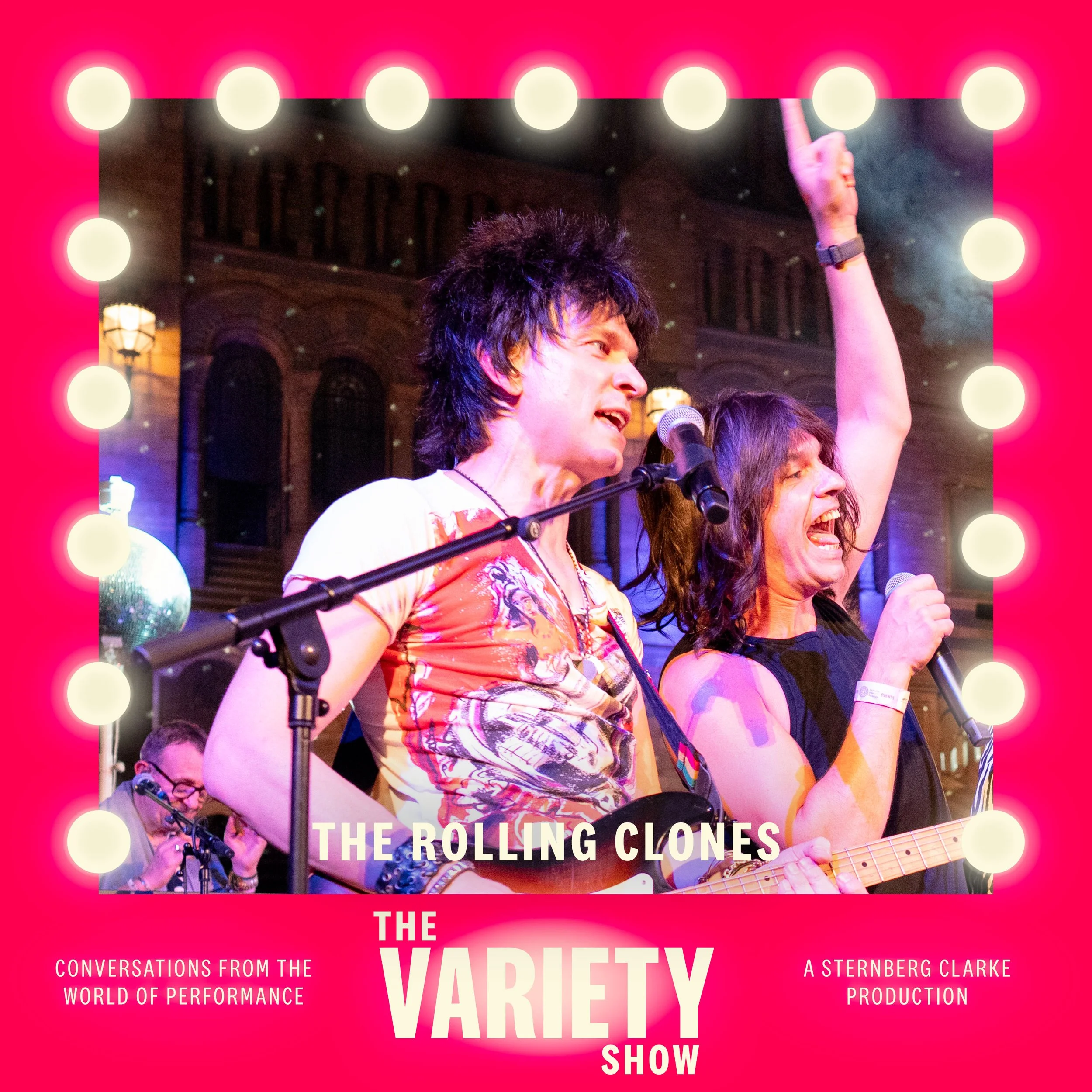
In this episode, they talk about how they fell in love with the Rolling Stones, why they think the Stones out-rock the Beatles, and what it really takes to “become” Mick and Keith on stage night after night. They share stories of massive gigs, weird audiences, fire alarms killing the PA mid-show, and one particularly drunk early gig where “Mick” fell off the stage and was rescued by the man who played Bungle from Rainbow. We hear how the Rolling Clones evolved from cabaret act to a high-energy modern live-Stones experience, why Aaron convinced Alex to stop drinking on stage, and why tribute work turned out to be a “golden ticket” to make a living in music without fame.
EPISODE 3
-
In this episode of Variety, Adam Sternberg sits down with legendary TV producer and director Kevin Bishop for a rare behind-the-scenes look at British television history. Kevin reflects on his early love of theatre, his first backstage jobs, and the winding path that led him to the BBC, where he helped shape some of the most influential comedy and variety shows of the last 50 years.
The conversation covers Kevin’s experiences working with comedy greats like Victoria Wood, French and Saunders, Fry and Laurie, Roy Bremner, and Larry Grayson, as well as producing and directing ten Royal Variety Shows. Kevin breaks down how acts were chosen, how running orders were built, and why egos were rarely a problem. He also shares memorable moments involving Elton John, Liza Minnelli, Shirley Bassey, Rowan Atkinson, and Bob Monkhouse.
Adam and Kevin then turn to Eurovision, including the UK’s 1997 win, the challenge of hosting the contest in Birmingham in 1998, the last-ever Eurovision with a live orchestra, and the night Dana International won in a moment that helped redefine representation on the world stage. The episode wraps with reflections on the BBC, the meaning of variety entertainment, and Kevin’s question for a future guest.

EPISODE 6
-
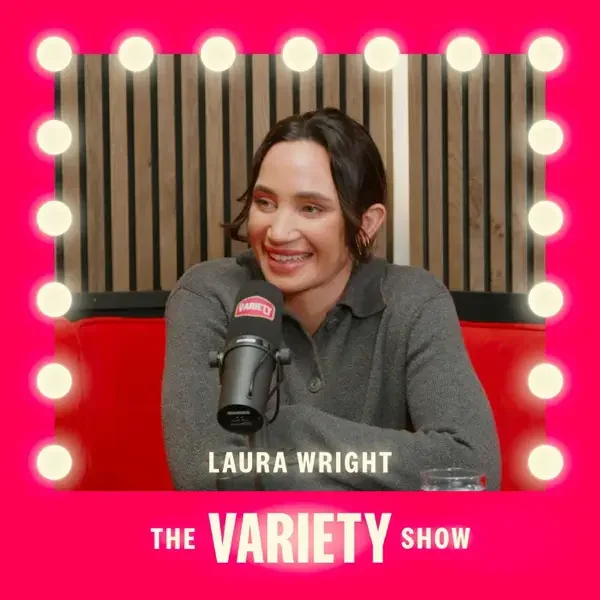
In this episode of The Variety Show, Adam Sternberg talks with singer Laura Wright about the early moments that shaped her voice, from harmonising in the car as a child to performing in high-pressure live settings. Laura shares how winning Young Chorister of the Year opened doors to broadcast performances and major opportunities, then led into All Angels and eventually formal training at the Royal College of Music. They discuss nerves and breath control, what happens when live performances go wrong, and how emotion and grief can affect the voice over time. Laura also explains how her love of sport became part of her career, from singing at landmark matches to supporting women’s sport, and she reflects on fame, reviews, and staying grounded.
EPISODE 9
-
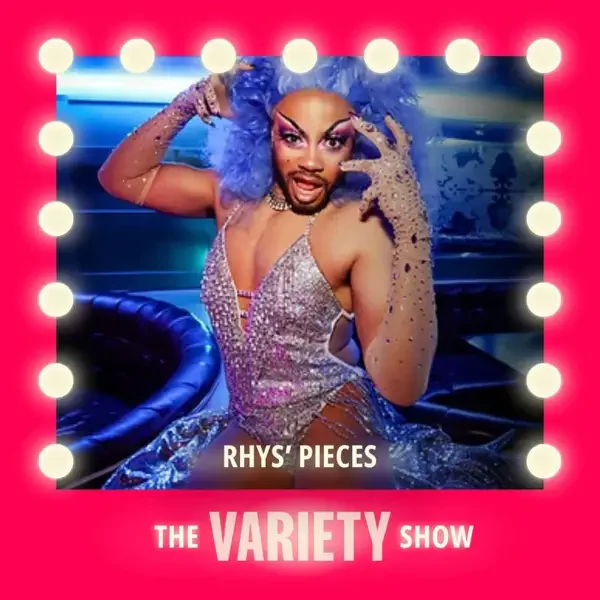
In this episode of The Variety Show, Adam Sternberg talks with cabaret performer and drag artist Rhys’s Pieces about identity, performance, and finding a creative voice in London’s queer nightlife scene. Rhys shares their upbringing in East London, growing up mixed-race with a white mother and absent father, and how early interests in drama, literature, and performance helped shape their artistic outlook.
The conversation traces Rhys’s unconventional journey into cabaret. After early ambitions in acting, struggles with auditions, and a period of feeling lost during university, a workshop with the legendary queer club night Duckie introduced them to the world of cabaret performance. From there Rhys began developing acts that mixed spoken word, rap, lip sync, dance, and performance art, eventually creating the persona Rhys’s Pieces as a way to express the many parts of their identity.
They discuss the history and meaning of cabaret as an art form rooted in satire, community, and audience interaction, as well as the importance of spaces like the Royal Vauxhall Tavern in nurturing alternative performance scenes. The conversation also explores wider topics including class and opportunity in the arts, the impact of drag culture and shows like Drag Race, and how live performance remains uniquely human in a world increasingly shaped by technology and AI.
The episode closes with a light-hearted moment as Rhys attempts to teach Adam how to twerk, before offering advice to young performers about confidence, self-belief, and creating work that reflects who you truly are.
ePISODE 2
-
In this episode, Adam Sternberg welcomes Pete Heat, one of the UK’s most exciting magicians and comedians. Known for his unique blend of sharp wit and astonishing sleight of hand, Pete has performed around the world, from intimate close-up shows to large-scale stage performances. He’s worked behind the scenes in television and even taught magic to Jude Law for his role as Dumbledore in the Fantastic Beasts films.
Adam and Pete explore how a childhood fascination turned into a global career, the fine balance between art and illusion, and why a good magic trick is as much about psychology as it is about skill. Pete also opens up about the creative process behind developing new tricks, handling unpredictable audiences, and how he accidentally became known as “the rock & roll magician.”

EPISODE 6
-
In this episode, Adam welcomes circus artist, director and producer Katharine Arnold, an aerialist with two decades of experience who has performed with La Clique and Cirque du Soleil and appeared as Mary Poppins in the Olympic opening ceremony. Katharine traces her path from a Brixton childhood and early ballet training to discovering trapeze at university. She explains the decision to leave a sensible office job at Bloomberg for life on tour, the variety of company experiences from collaborative outdoor shows to large scale revue productions, and the creative process behind her own company show Sophie’s Surprise 29th Birthday Party. Katharine shares candid stories about major surgery, recovery and returning to performance, the thrill of live risk, a hilarious rigging mishap involving a cable tie and her hair, and her views on sexualisation, costume and creative freedom. We also hear about training routines, the practical differences between small cabaret shows and huge productions like Cirque du Soleil, the challenges facing the London cabaret scene, and why she believes showmanship, narrative and audience interaction matter.

EPISODE 3
-
In this episode, Adam Sternberg welcomes Natalie Haverstock, internationally acclaimed balloon artist and performer, better known by her stage name Miss Ballooniverse.
A natural entertainer with roots in acting and comedy, Natalie has transformed the humble balloon into an art form blending creativity, humour, and craftsmanship into something truly extraordinary. From teaching balloon-making to global audiences online, to dazzling celebrity guests at high-end events, her story is as uplifting as her creations.
Adam and Natalie explore her colourful journey from the theatre stage to the balloon stage, the art behind every twist and fold, and the resilience required to reinvent oneself in an ever-changing creative industry.
EPISODE 1
-
In this episode of Variety, host Adam Sternberg welcomes musical comedy duo Bounder & Cad for a wide-ranging conversation following a bold opening performance skewering Vladimir Putin. The pair trace their origins from university choirboys and jazz crooners to becoming a fully-fledged satirical act, sharing stories of May Balls, their first original parody song about Prince Harry, and a last-minute, near-missed debut gig at 10 Downing Street.
They unpack their approach to satire—why they prefer timeless absurdity over partisan politics, how they balance provocation with kindness, and why comedy works best when it releases tension rather than fuels anger. The episode also dives into creative partnership, disagreement, privilege, performance mishaps, and the importance of humor as a coping mechanism. It wraps with a playful operatic finale: a comic English-language take on La donna è mobile, featuring Adam joining them on stage.

EPISODE 4
-
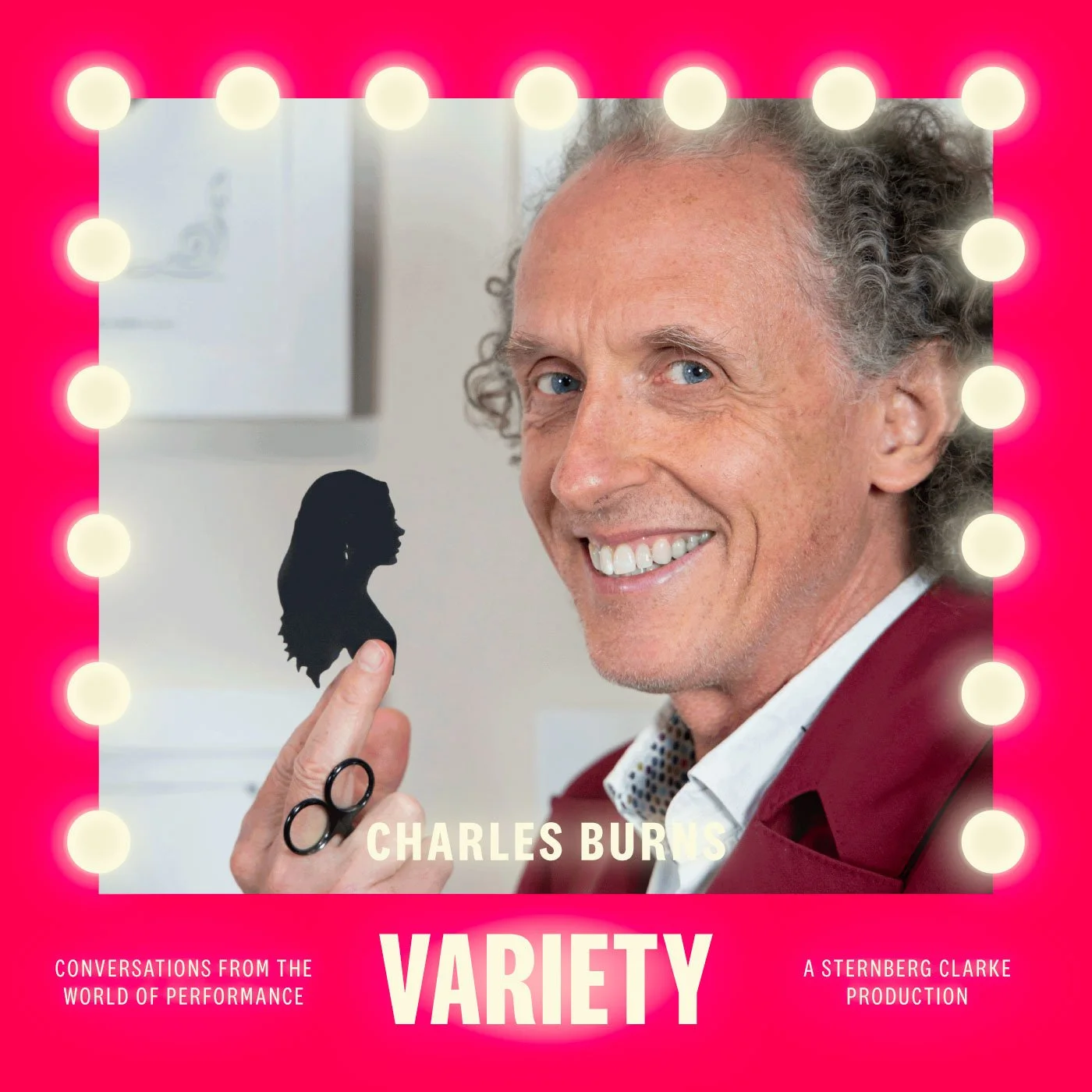
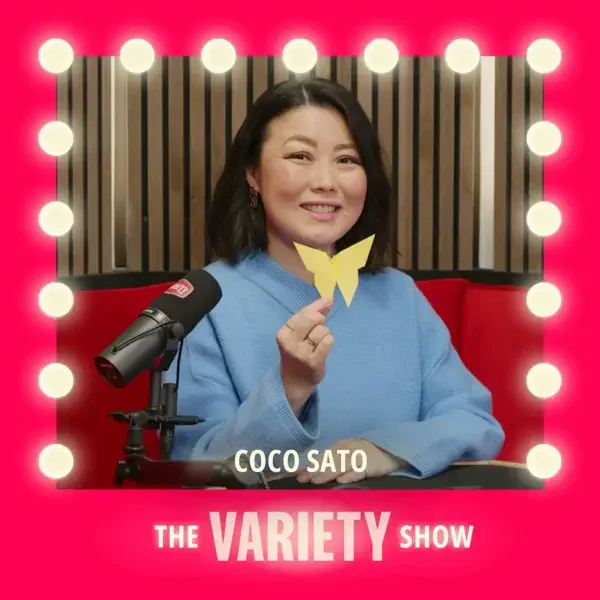
In this episode of Variety, Adam Sternberg sits down with origami artist Coco Sato to explore how a simple sheet of paper can become sculpture, performance, and even a tool for teaching maths. Coco shares origami’s roots in Japanese history, from folded poetic letters and gift-wrapping traditions to its modern identity as a widely taught childhood pastime in Japan.
Coco traces her own path from studying paper-based art and photography to building a career after becoming a mother, when she shifted toward teaching and discovered that scaling up origami made it more visible, physical, and performative. She describes moving from small demonstrations to giant outdoor festival work, where the folding itself became the art. They also discuss the difference between precision sculpture and live performance, the minimal tools required, and the real-world problems origami faces, including weather, soggy paper, and the challenges of giving clear instructions in the moment.
Adam learns two simple folds on camera, a butterfly and a cat, and Coco explains why origami can be therapeutic, how it trains focus and concentration, and how it can reshape how people see creativity in everyday materials. The conversation also touches on origami’s links to STEM, including geometry basics, collaborations with mathematicians, and real-world engineering applications like compact folding methods used in space-related design. Finally, Coco reflects on AI, where it can mimic the look of folds in advertising without being physically possible, and offers advice for young artists: stay flexible, say yes to opportunities, take risks, and do the scary thing that leads somewhere new.
EPISODE 7
-
In this episode of The Variety Show, Adam Sternberg talks with drummer and entrepreneur Richard Enion about how rhythm became both a musical path and a business. Richard shares his early life near Burton on Trent, his first drum kit at 12, and the school assembly moment that sparked everything. He explains how he moved from playing in bands to running corporate drumming workshops, building sessions that take groups from zero to a full performance and helping people feel safe, energised, and present. Richard also tells the story of travelling in the Caribbean, trusting a gut instinct that landed him a drumming gig, and how that period led directly to buying djembe drums and launching the team-building side of his work. The conversation covers why drumming can feel meditative and communal, what happens when participants are hesitant or have been drinking, and why arts access in schools matters. Richard then talks through his Dragon’s Den journey, including pushing back after being told there was no slot, the eventual pitch, the offer, and the decision not to sign. The episode ends with Richard teaching Adam basic stick rudiments and sharing advice for young musicians on starting with whatever you have, then doing the practice that builds real skill.

EPISODE 10
-
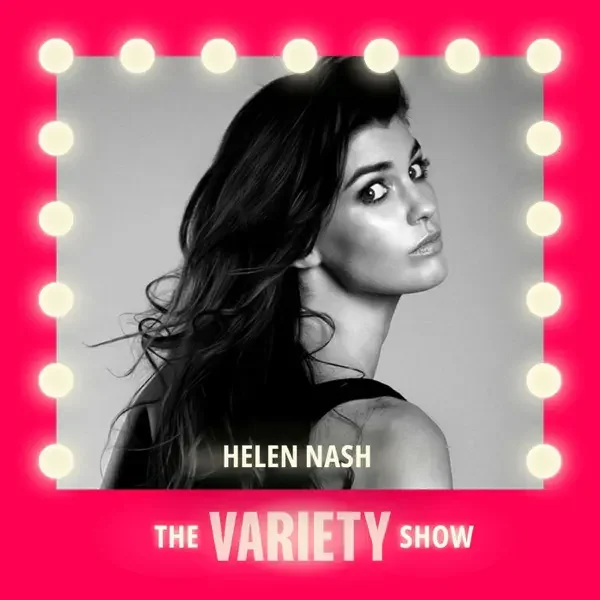
In this episode of The Variety Show, Adam Sternberg talks with pianist and cellist Helen Nash about growing up in rural Cornwall, finding music early, and building a career that moves between classical training, live television, and crossover performance. Helen shares how an unusual combination of family influences, countryside life, and a chance encounter with a local cello teacher led her into music, even though no one in her immediate family was a professional performer.
She reflects on studying cello seriously, stepping away from it after music college, and then being drawn back in through an unexpected mix of songwriting, freelance opportunities, and high-profile gigs. From playing for Robbie Williams at the Royal Variety Performance to joining Escala and working across television and live events, Helen describes a career that has often developed organically rather than through one fixed plan. The conversation also explores the pressures of practice, the realities behind the glamour of performance, the value of music education, and the growing barriers facing young people who want to enter the arts. Helen closes by arguing that the arts remain essential to human life, even in an age shaped by AI and rapid technological change.
EPISODE 10
-
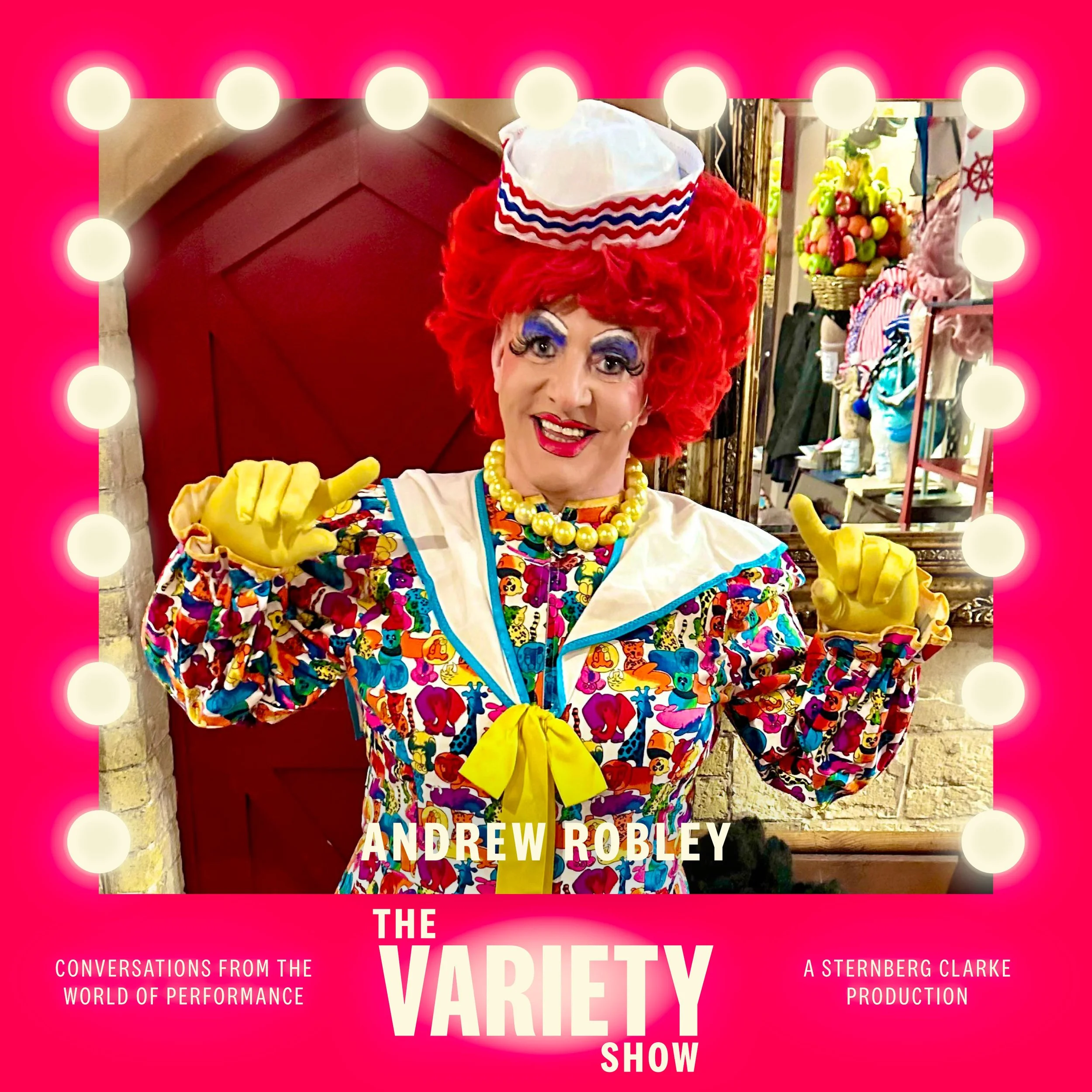
In this Christmas special of Variety, host Adam Sternberg chats with Andrew about his unusual route into panto: from choirboy beginnings and a brief detour as a chef, to musical theatre leading roles, and finally being thrust into dame duties at the last minute when another performer was injured. Andrew breaks down what makes pantomime unique—ad-libbing, timing, audience interaction, and relentless quick-changes—plus the character work, voice choices, slapstick, and how panto traditions are evolving (and enduring). The episode also features a playful spoken “duet” of Sonny Boy and wraps with details of Andrew’s upcoming run at Brick Lane Music Hall in Jack and His Giant Stalk (over-16s), followed by a family version later.